- +91 8796337787
- A/29 Sagarpuri, Galla Mandi Naubasta, Kanpur, 208021
- info@snehmitrafoundation.org
Snehmitra Foundation is a non-profit organization established in 2023, committed to empowering communities and enriching lives across India. We believe every individual deserves access to education, healthcare, environmental awareness, and growth opportunities. Since July 2023, we have focused on reducing poverty and unemployment through education, skill development, and inclusive programs supporting women, transgender individuals, and marginalized communities to overcome social and economic challenges nationwide sustainably.
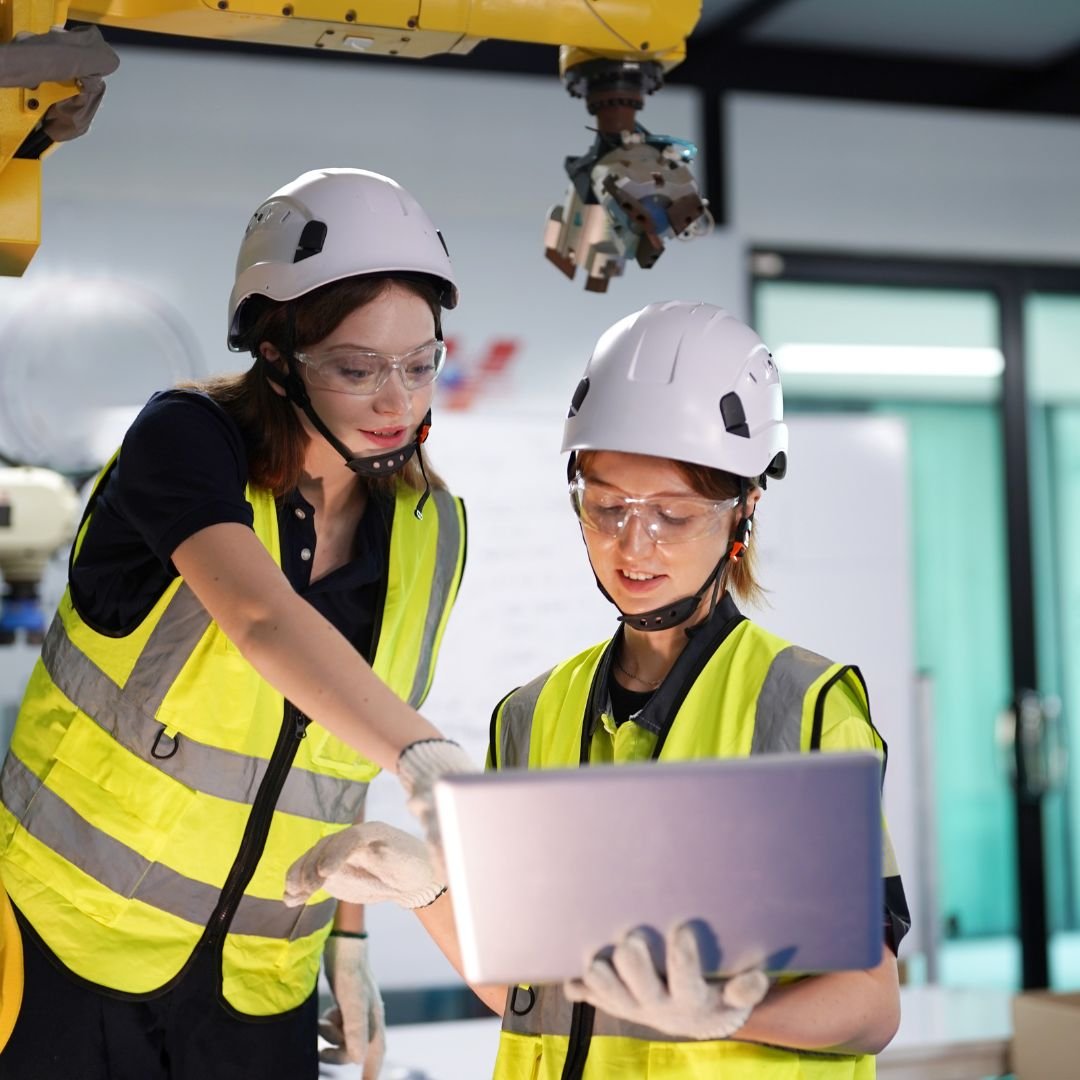
About Steam education
To establish an environment that fosters exploration and growth. Through excellence and innovation, ignite young minds to occupy a distinct place in the ever-evolving professional landscape.
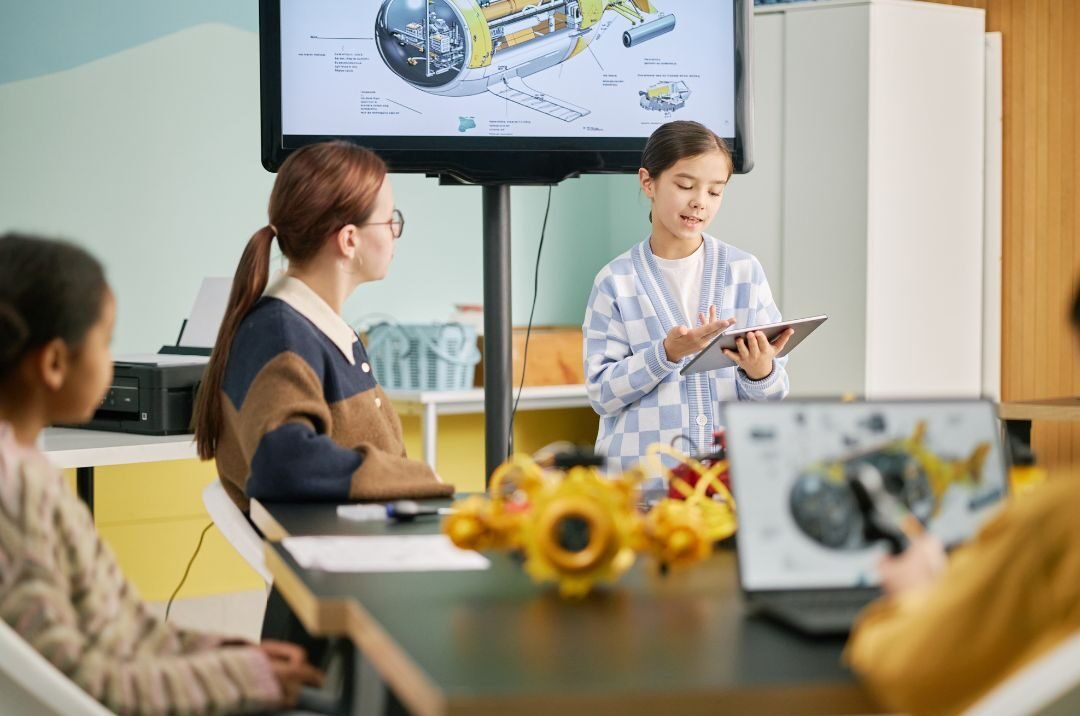
To empower future innovators through accessible, engaging STEAM education, enabling every student to creatively solve challenges and thrive confidently.
OUR BEST CATEGORY
STEAM education equips schools with interdisciplinary learning that builds creativity, critical thinking, and future-ready skills through hands-on experiences.
Demand for STEAM Skills: Over 75% of future jobs will require STEAM competencies, from AI and robotics to sustainable engineering and digital design.
Adaptability: STEAM equips students with transferable skills like computational thinking, innovation, and collaboration, preparing them for careers that don’t yet exist.
Hands-On Learning: STEAM labs equipped with robotics kits, 3D printers, and coding tools make abstract concepts tangible and engaging for students.
Diverse Learners: Arts integration attracts creative learners who may avoid pure STEM, bridging gaps between technical and imaginative thinking.
Arts Integration: By blending arts with STEM, students learn to approach problems with both logic and creativity. For example, designing a drone involves engineering (function) and aesthetics (art).
Project-Based Learning: Students tackle real-world challenges (e.g., building IoT systems, coding AI models), fostering entrepreneurial mindsets.
Problem-Solving: STEAM projects like designing solar-powered IoT devices teach iterative thinking, experimentation, and resilience in students.
Collaboration: Group-based projects mirror real-world teamwork, preparing students for careers in technology, healthcare, research, and innovation.
Policy Alignment: Initiatives like India’s NEP 2020 emphasize multidisciplinary, skill-based learning, making STEAM a core requirement for modern education systems.
Global Competitiveness: Schools adopting STEAM prepare students to compete confidently in a fast-evolving, technology-driven global economy.
Sustainability: STEAM empowers learners to develop solutions for climate change, renewable energy, smart cities, and environmental challenges.
Digital Literacy: Prepares students to understand, adapt, and innovate in a world driven by AI, automation, and data technologies.